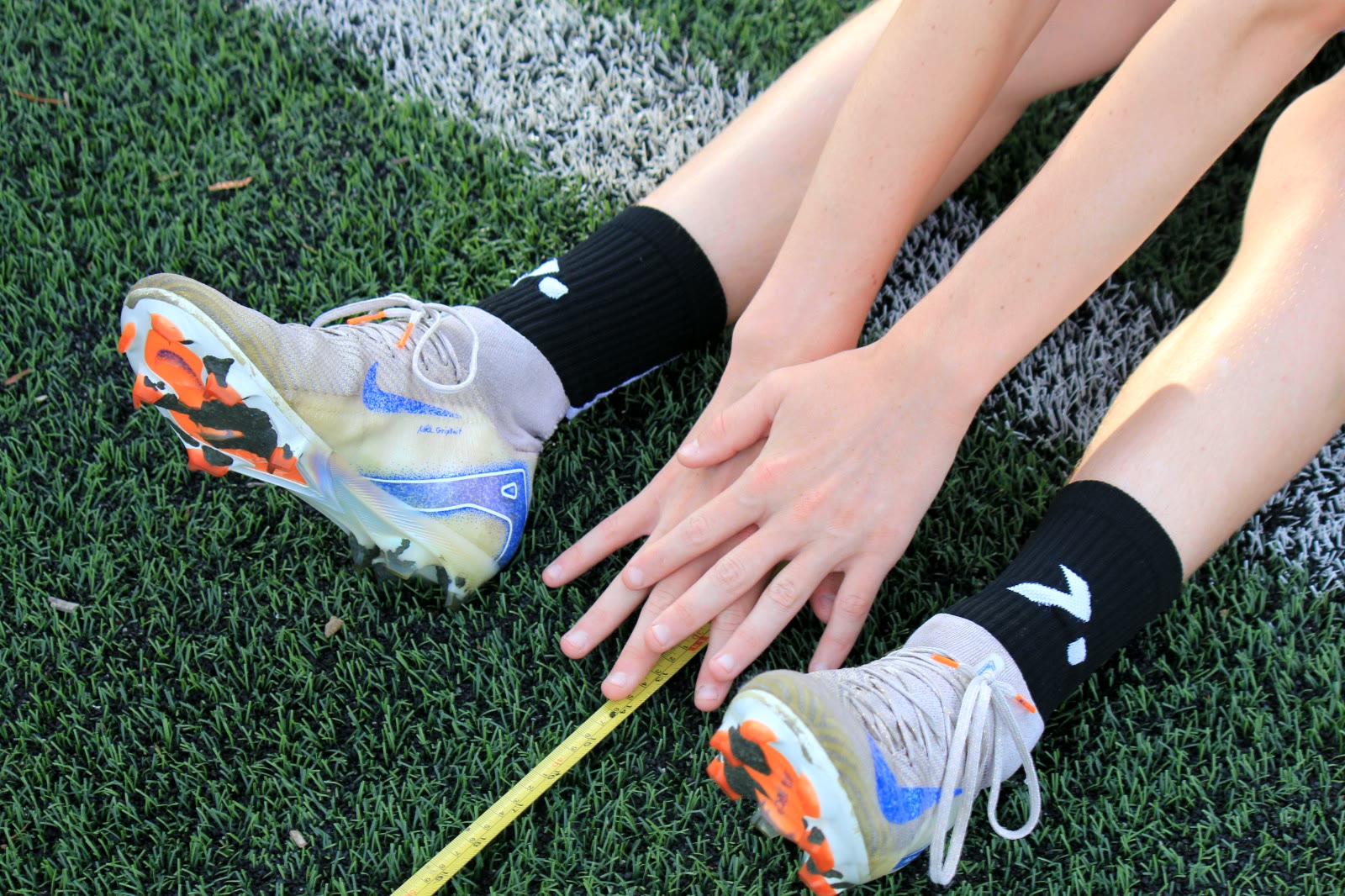
A close-up of an athlete's boots being measured during a testing session.

04 — Sports Science Testing

Measure what matters

Detailed performance testing with state-of-the-art sports science technology — a physical profile for every athlete, and a clear direction for training.

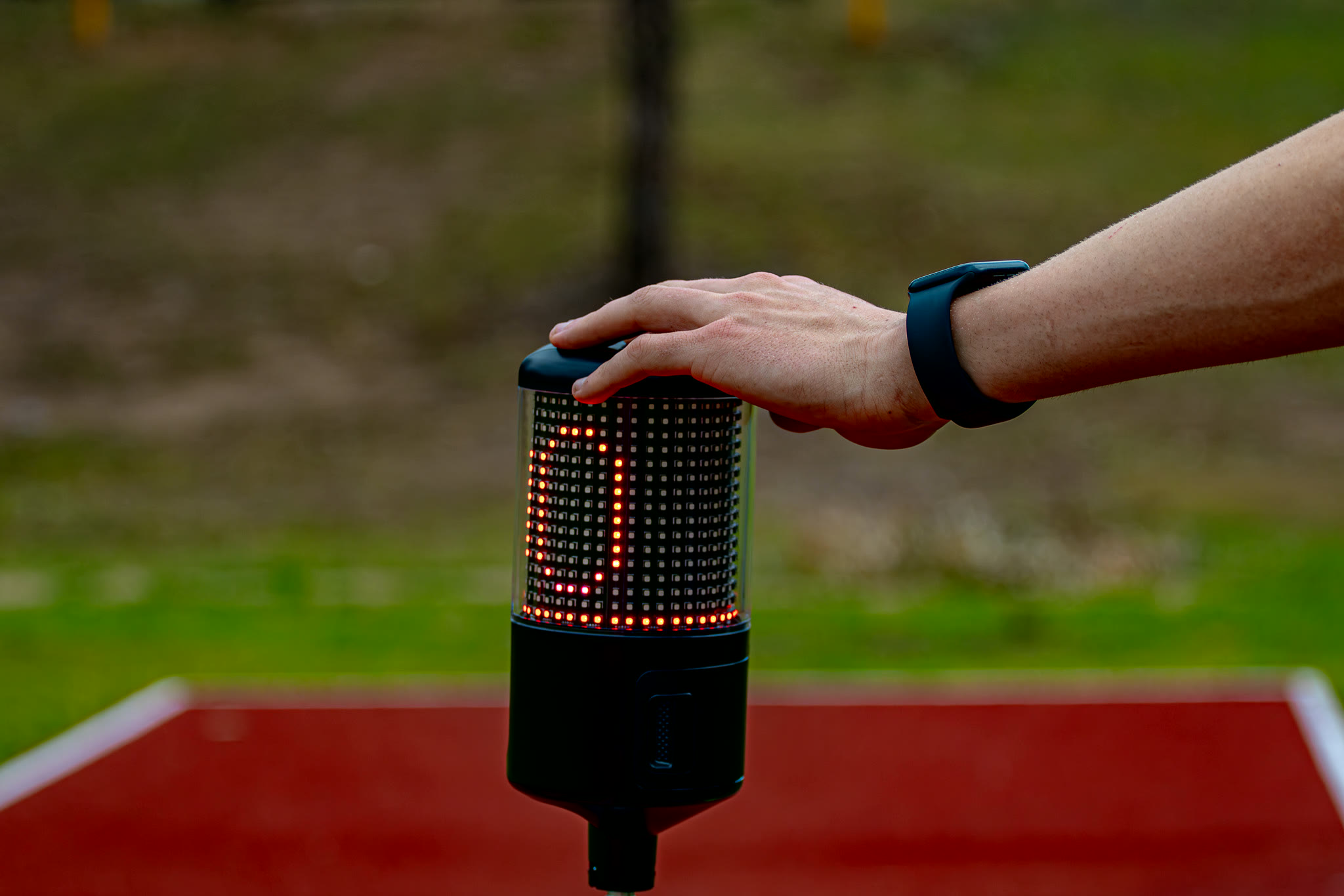
Speed gate timing equipment set up on the athletics track.

— Method

Why we test

Testing lets coach and athlete see physical strengths and weaknesses in black and white, build a profile, and compare it against normative data and against the athlete's own past results. It points the strength and conditioning program at real weaknesses instead of guesses — progress is confirmed by the numbers, not just the eye test.

  • ProfileWhere the athlete is nowA full picture of speed, power, agility and strength on one page.
  • ComparisonAgainst data, and against yourselfBenchmarked to normative data for age and level — then re-checked against your own baseline.
  • DirectionFeeds the S&C programThe identified weaknesses become the focus of the next training block.
  • ProofProgress you can seeRe-testing through the year shows whether the training is working.
01 — The process

From first assessment to the retest

Every athlete runs the same six steps — the testing is only useful if what comes after it is clear.

01Initial assessmentTraining history, position, injuries and goals — so the right tests are chosen
02Test selectionThe battery is picked for the athlete and their sport, not one-size-fits-all
03Testing sessionRun on the track and in the gym with the athlete fresh, so the numbers are real
04Results & interpretationEvery result explained plainly — strengths, weaknesses, how you compare
05Training recommendationsThe profile points the S&C program at the areas that will move the needle most
06Retest & compareRe-tested through the year against your own baseline — evidence the work is landing

02 — What we test

Four measures, one physical profile

Each is run with sports-science equipment for accurate, repeatable numbers.

Speed

10 m & 20 m sprints

Timed through speed gates. The 10 m split measures acceleration — how fast a player reaches speed from a standstill — and the 20 m time shows how that carries into a longer effort. A slow split points to a start, a mechanics or a strength issue, and the gym program targets whichever it is.

Jump

VALD force plate

Countermovement and repeat jumps on a force plate. It reads far more than jump height — how much force is produced and how quickly, how well the athlete uses the stretch-shortening cycle, and how balanced the left and right legs are. Big asymmetries or a weak reactive score flag injury risk and a training focus.

Agility

Change-of-direction tests

World-recognised agility tests, gated for accurate times. They measure how quickly and cleanly a player decelerates, turns and re-accelerates — the movement behind beating a defender or recovering in defence — benchmarked against normative data and the athlete's own previous scores.

Strength

Upper, lower & core

Assessments of upper-body, lower-body and core strength to set the baseline for the gym program — starting loads, and which areas need priority. It also gives a clear number to progress against at the next test.

Next step

No guesswork

Book a Session Now and build your physical profile.